Govans Celebrates Earth Week
April 25, 2026
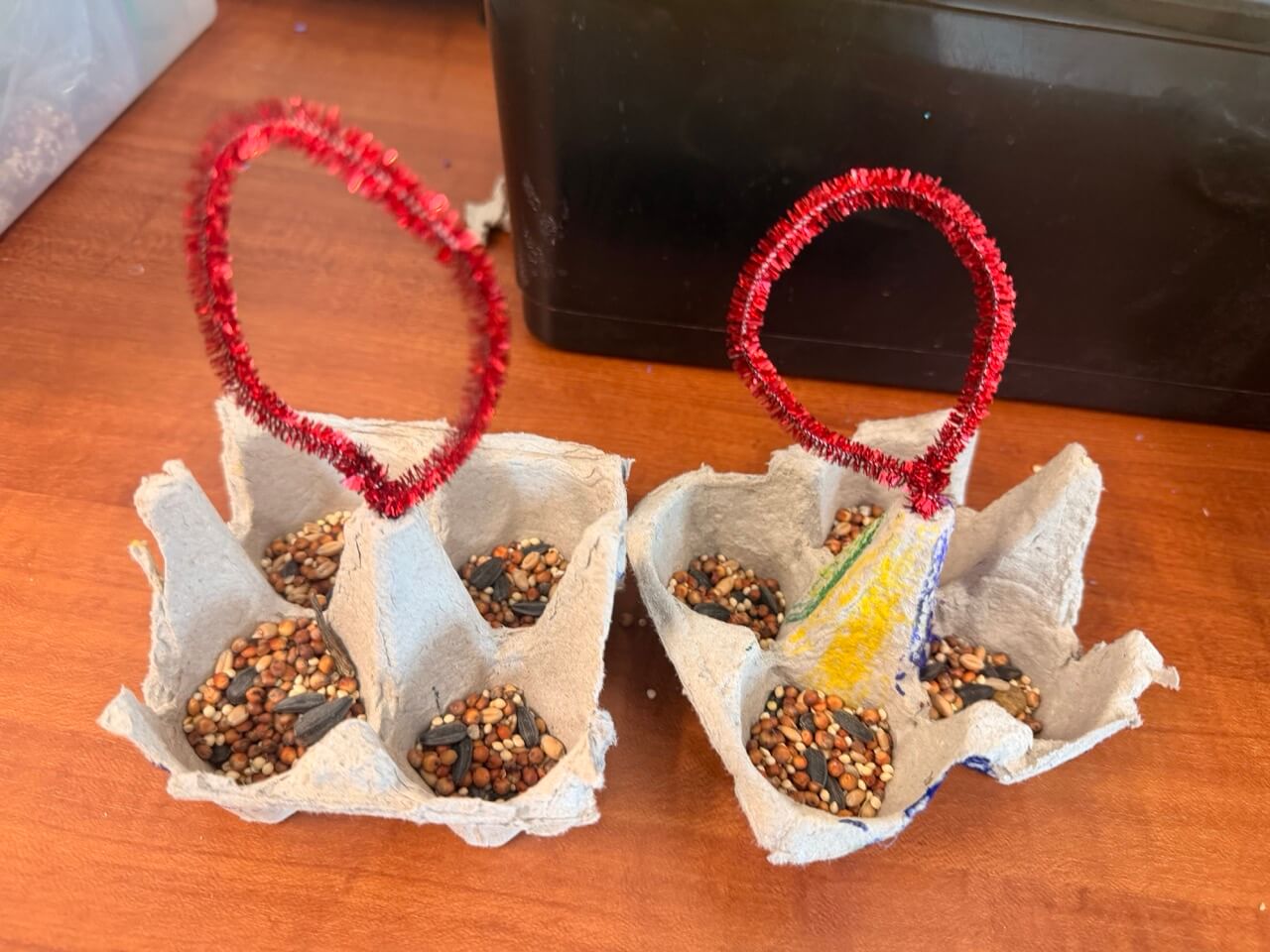
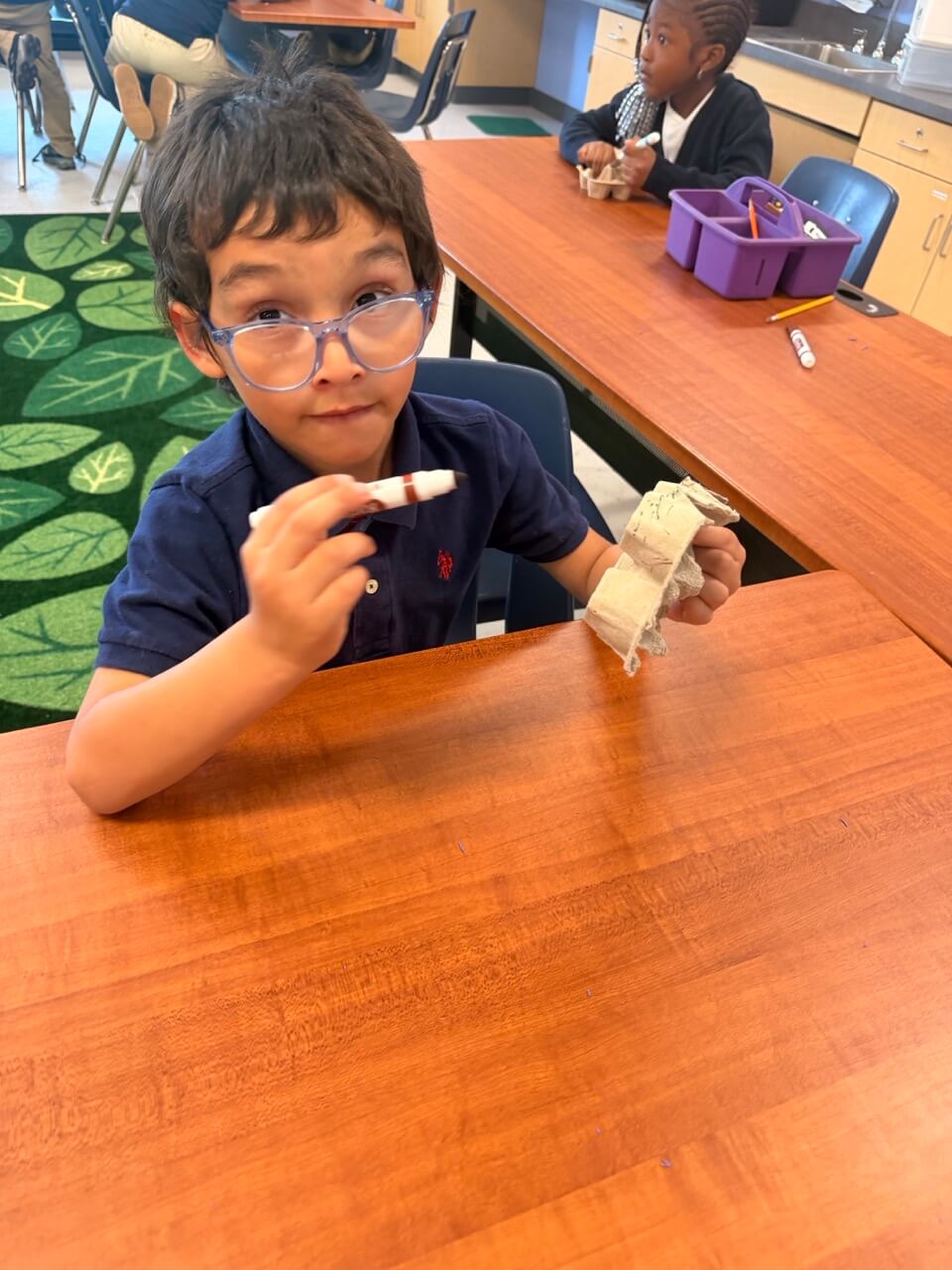
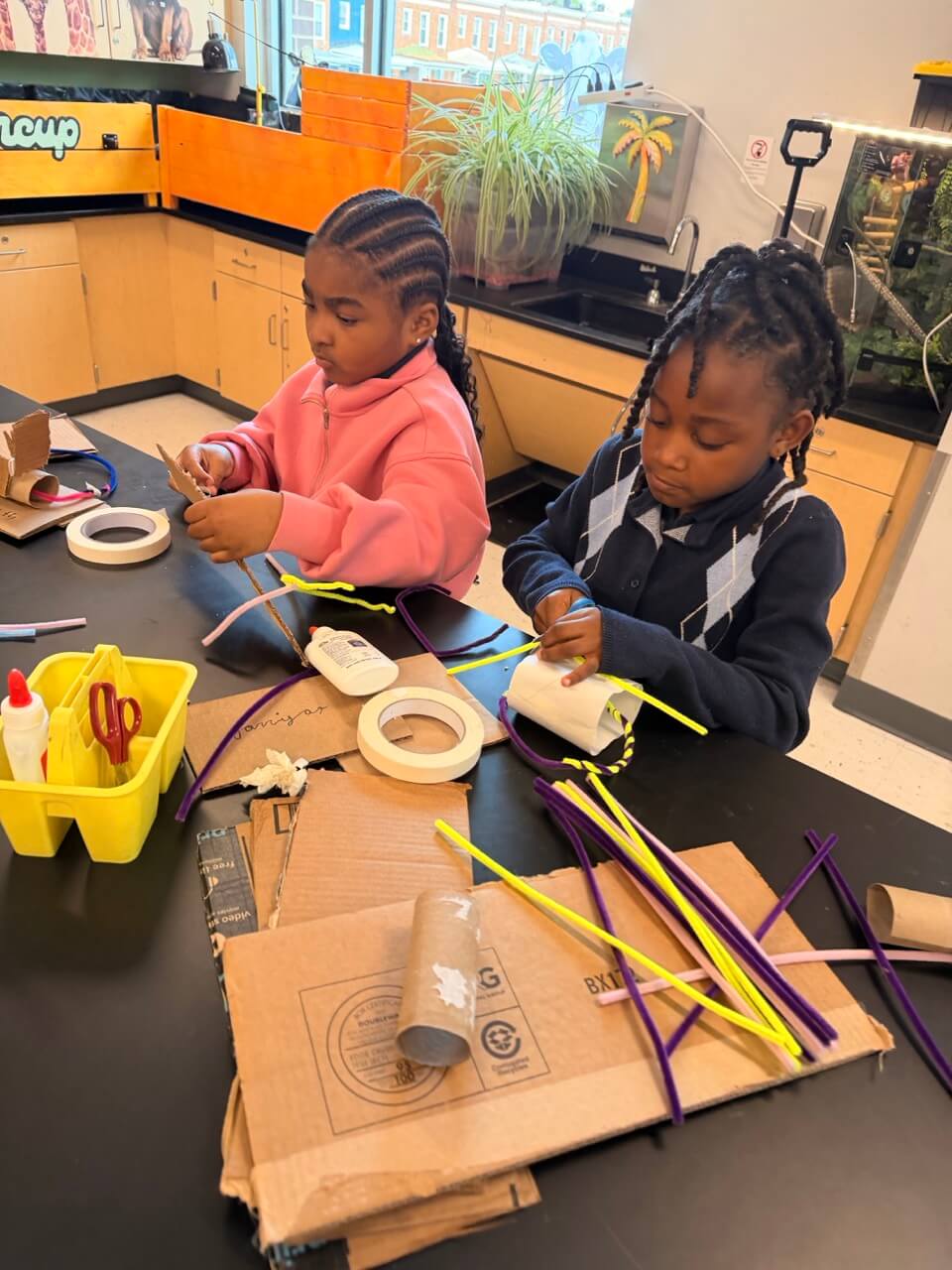
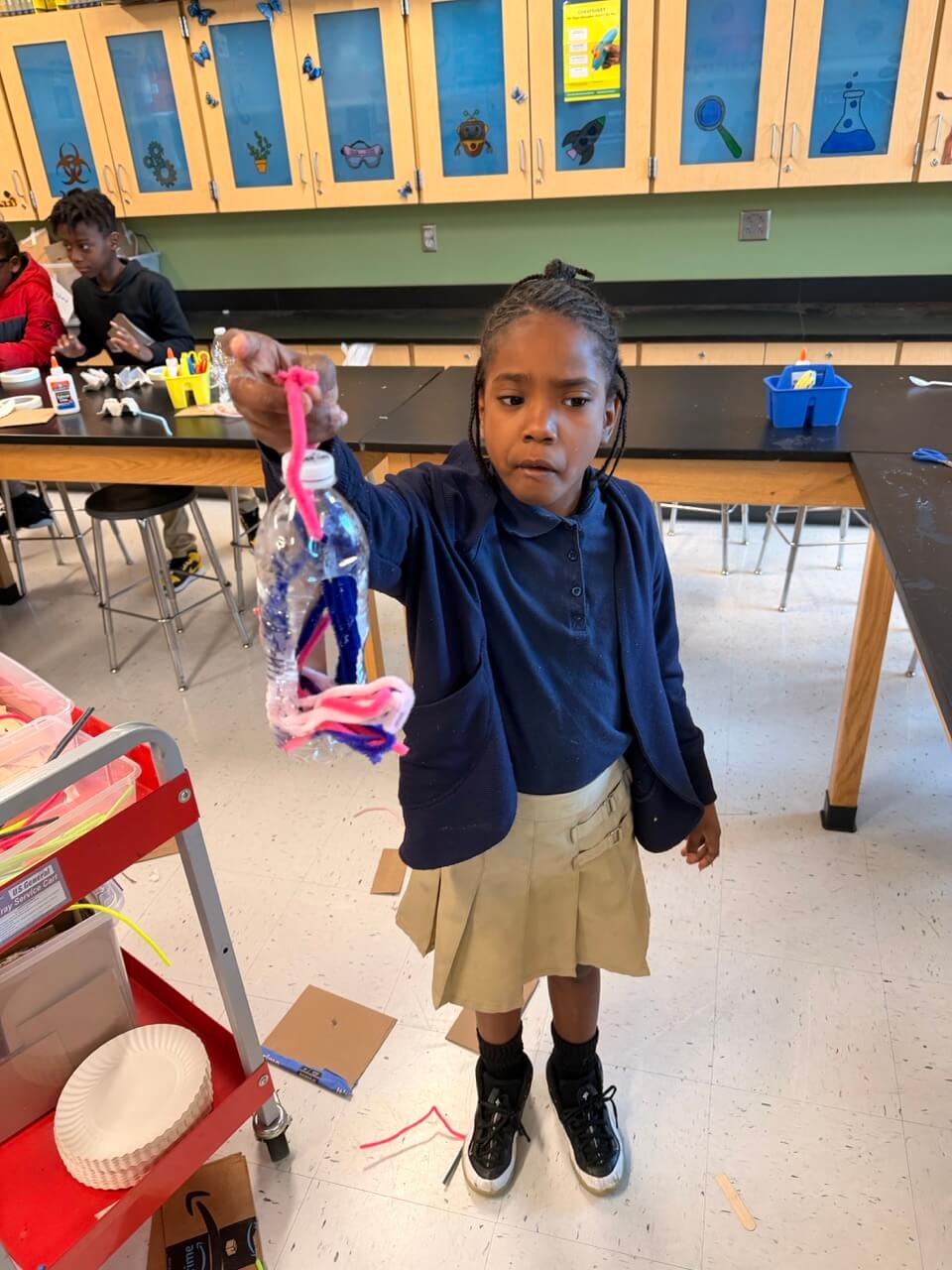
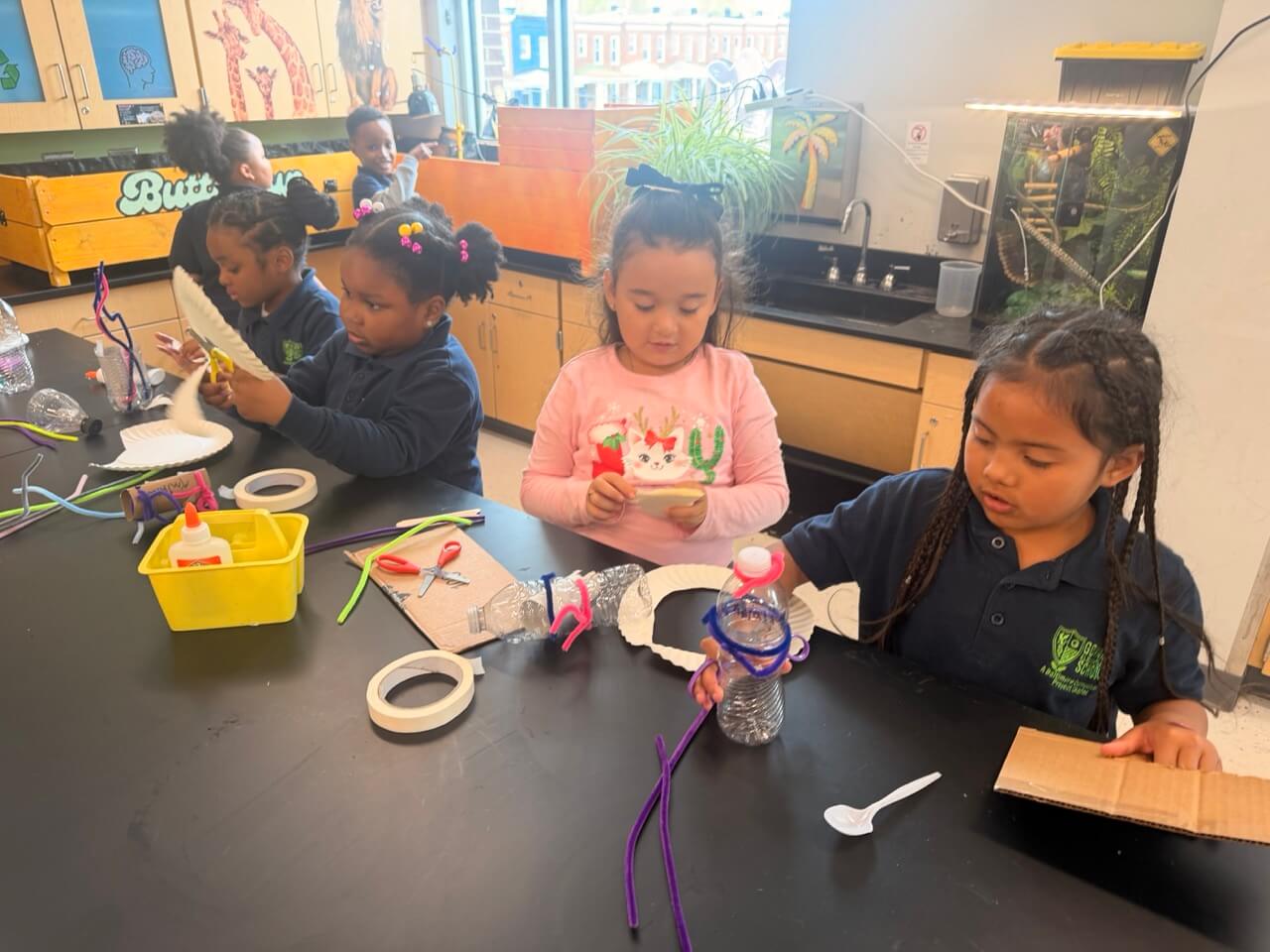
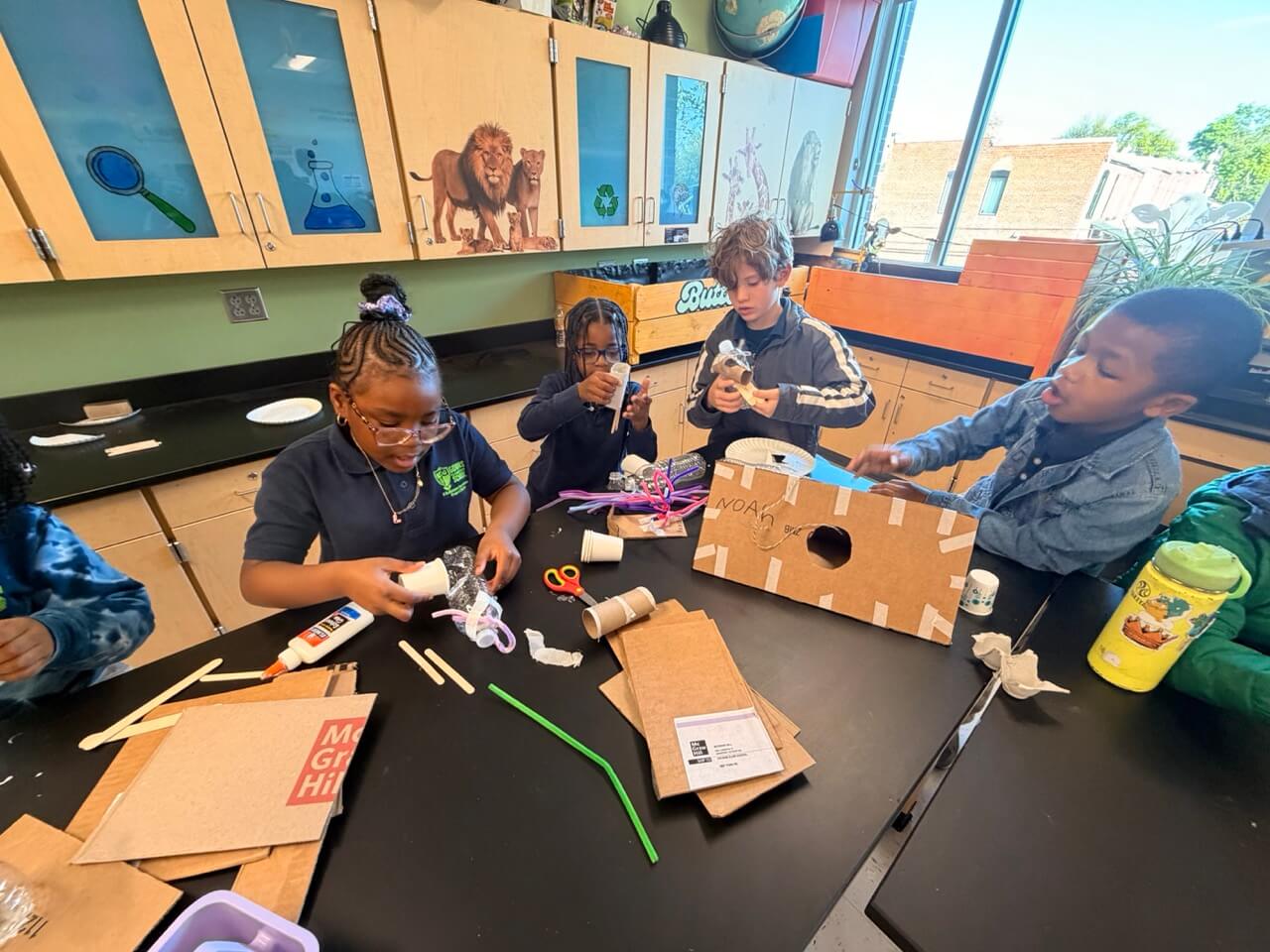
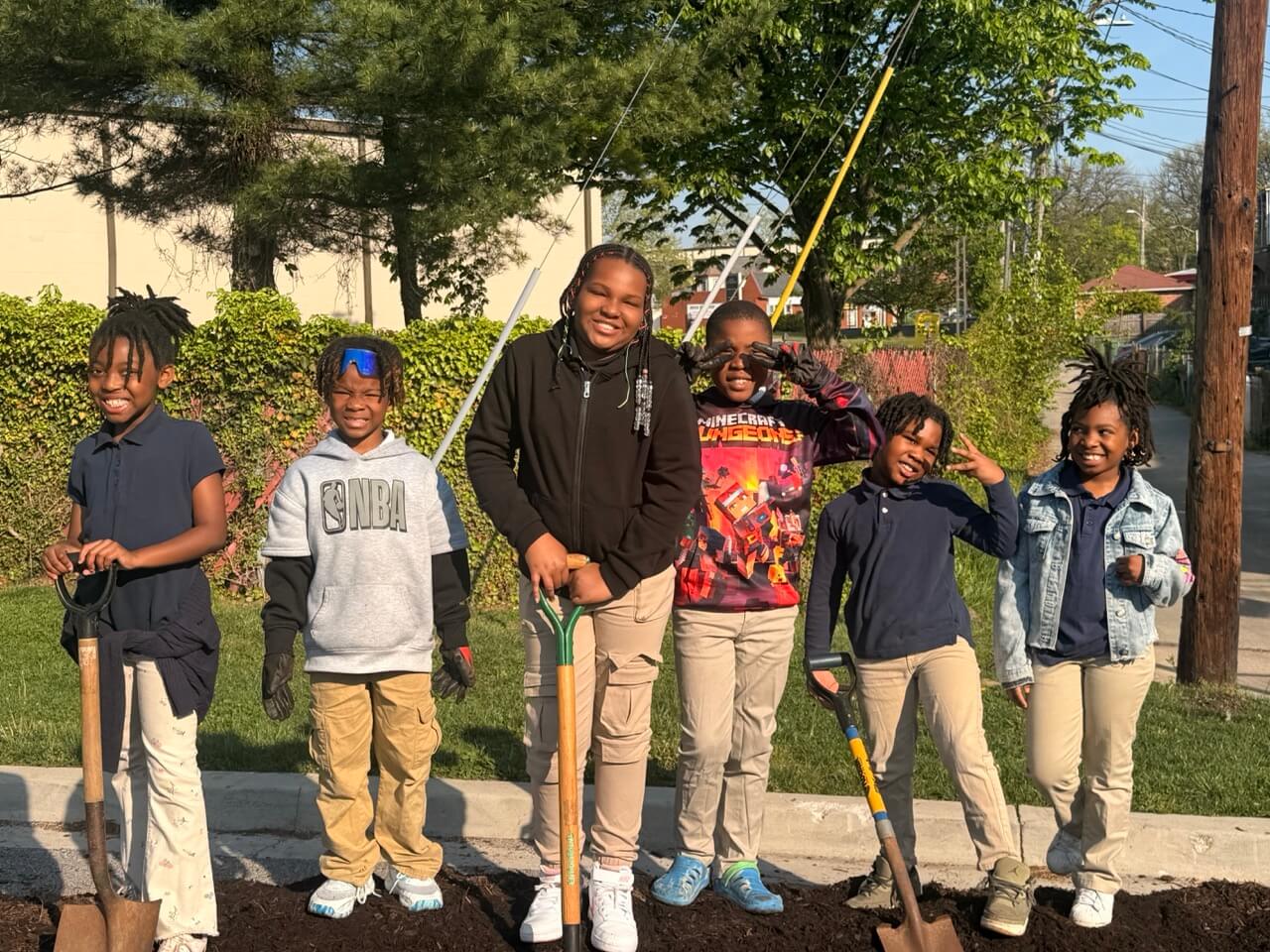
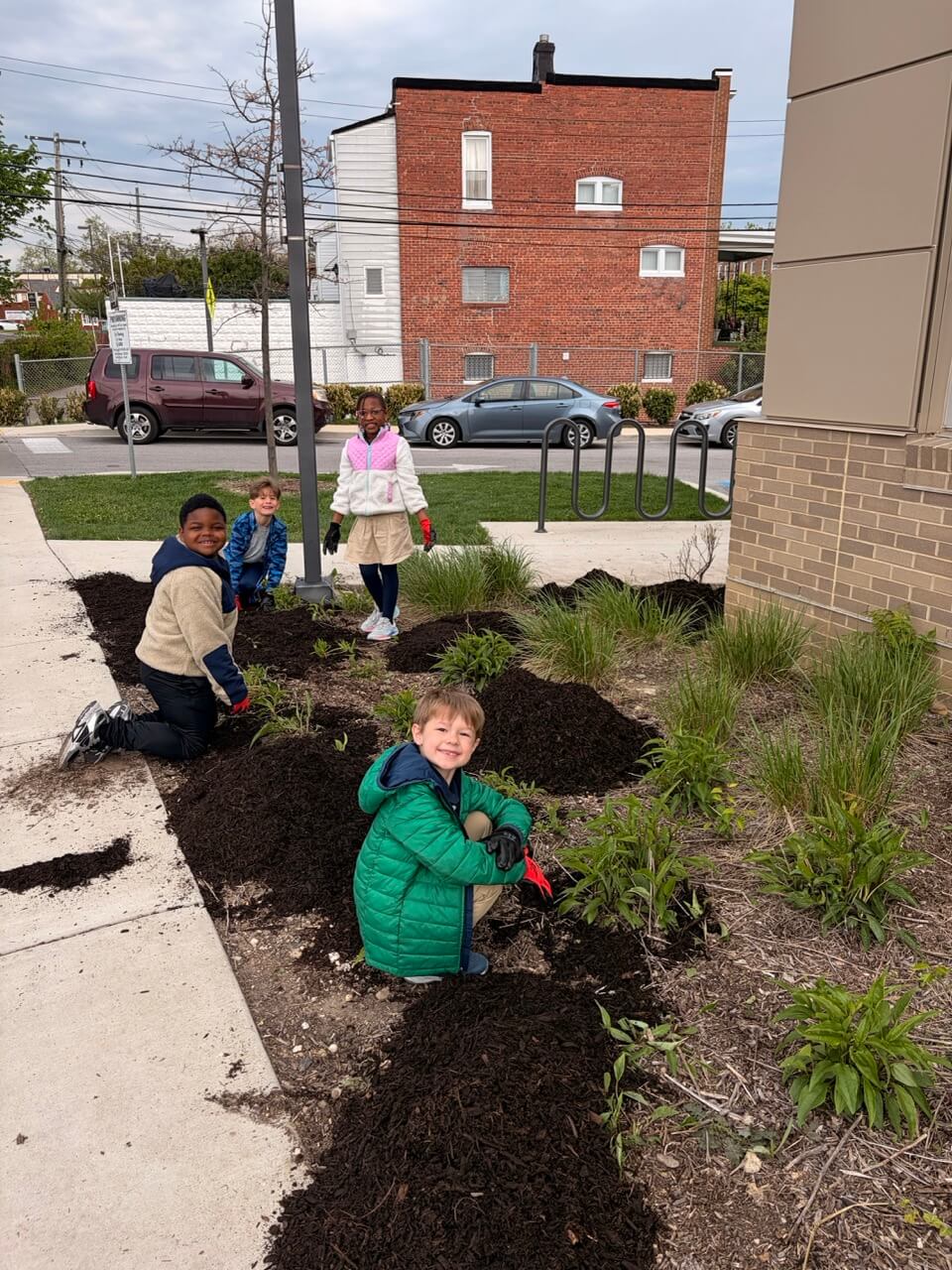
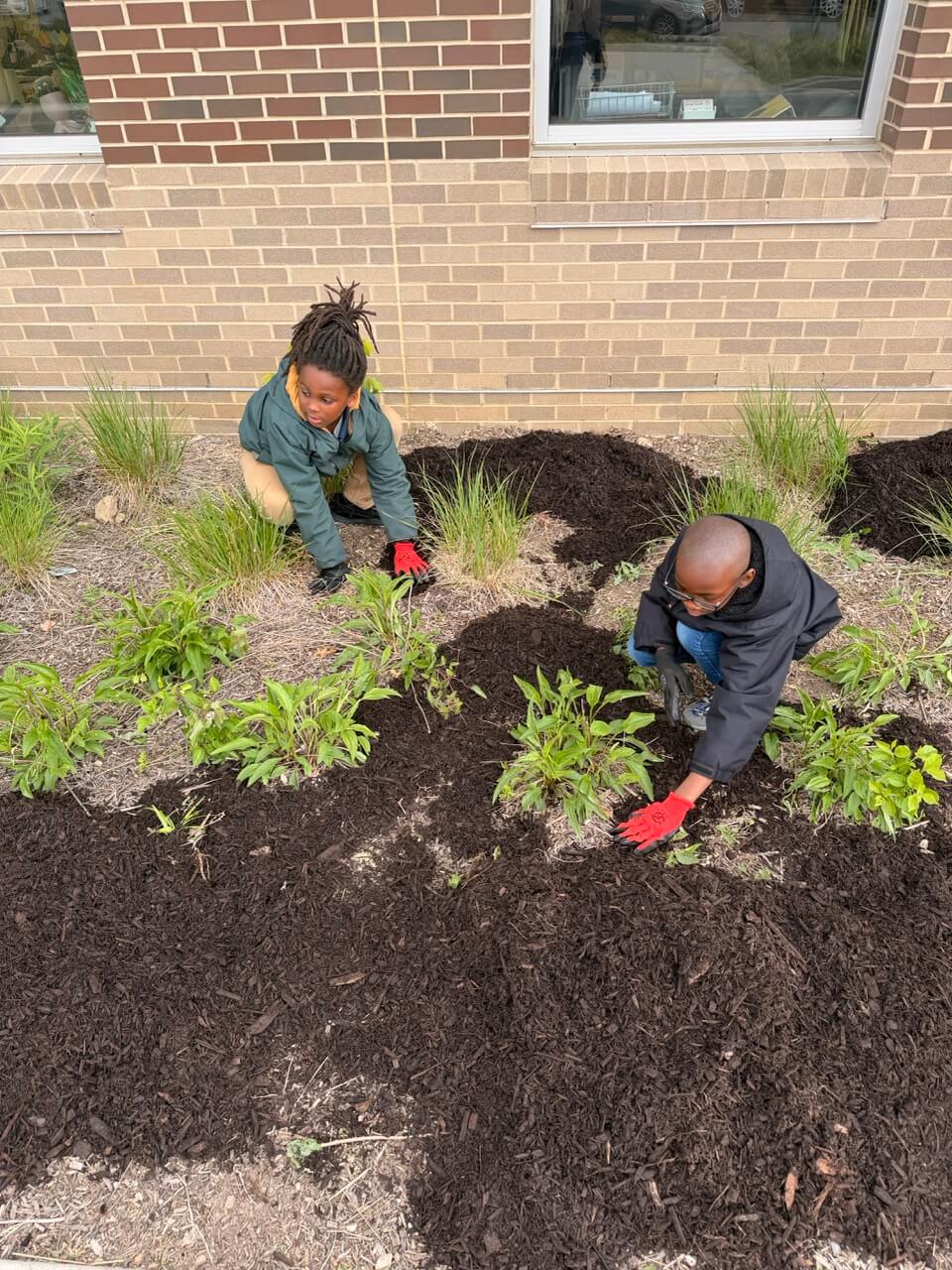
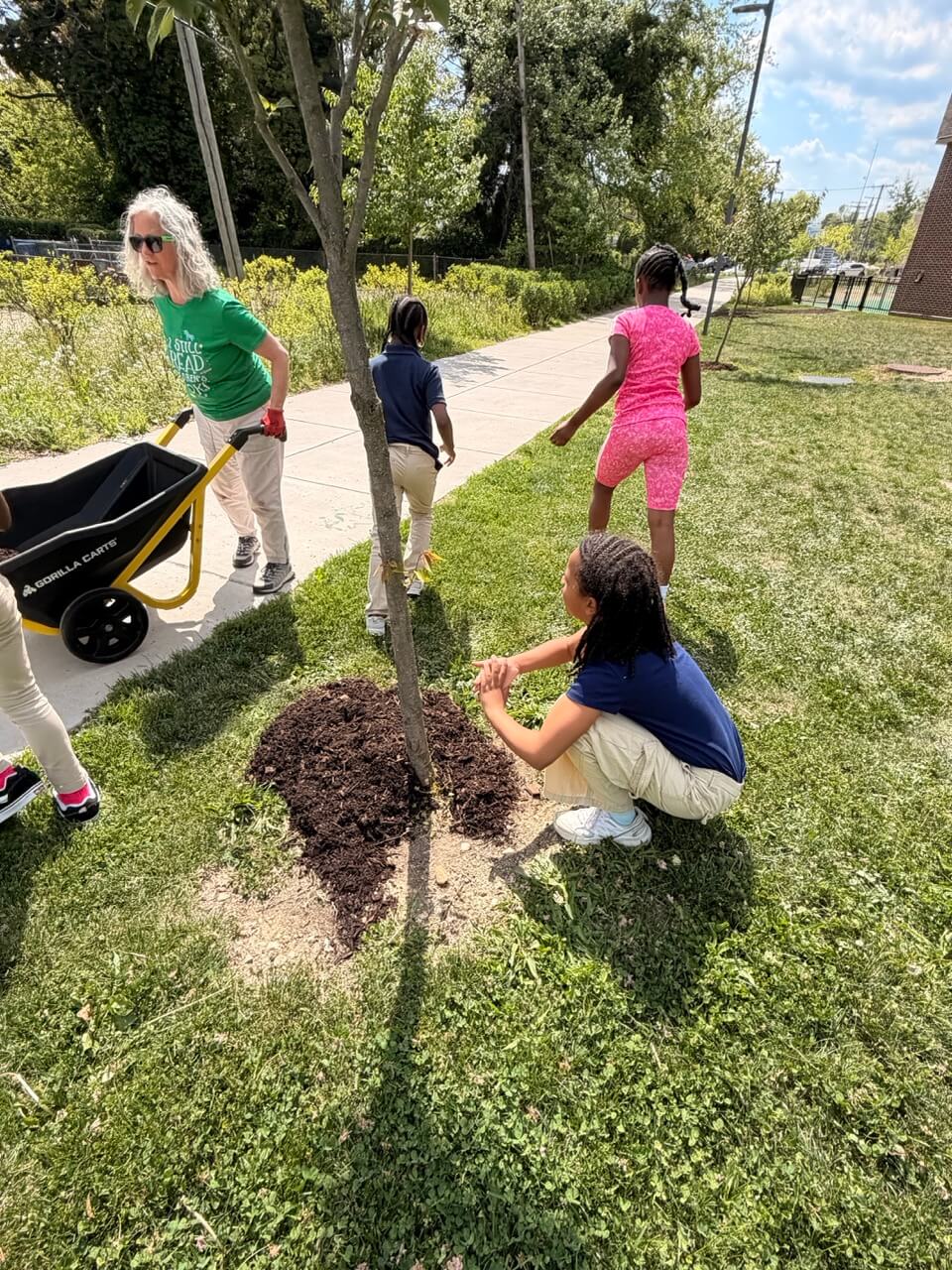
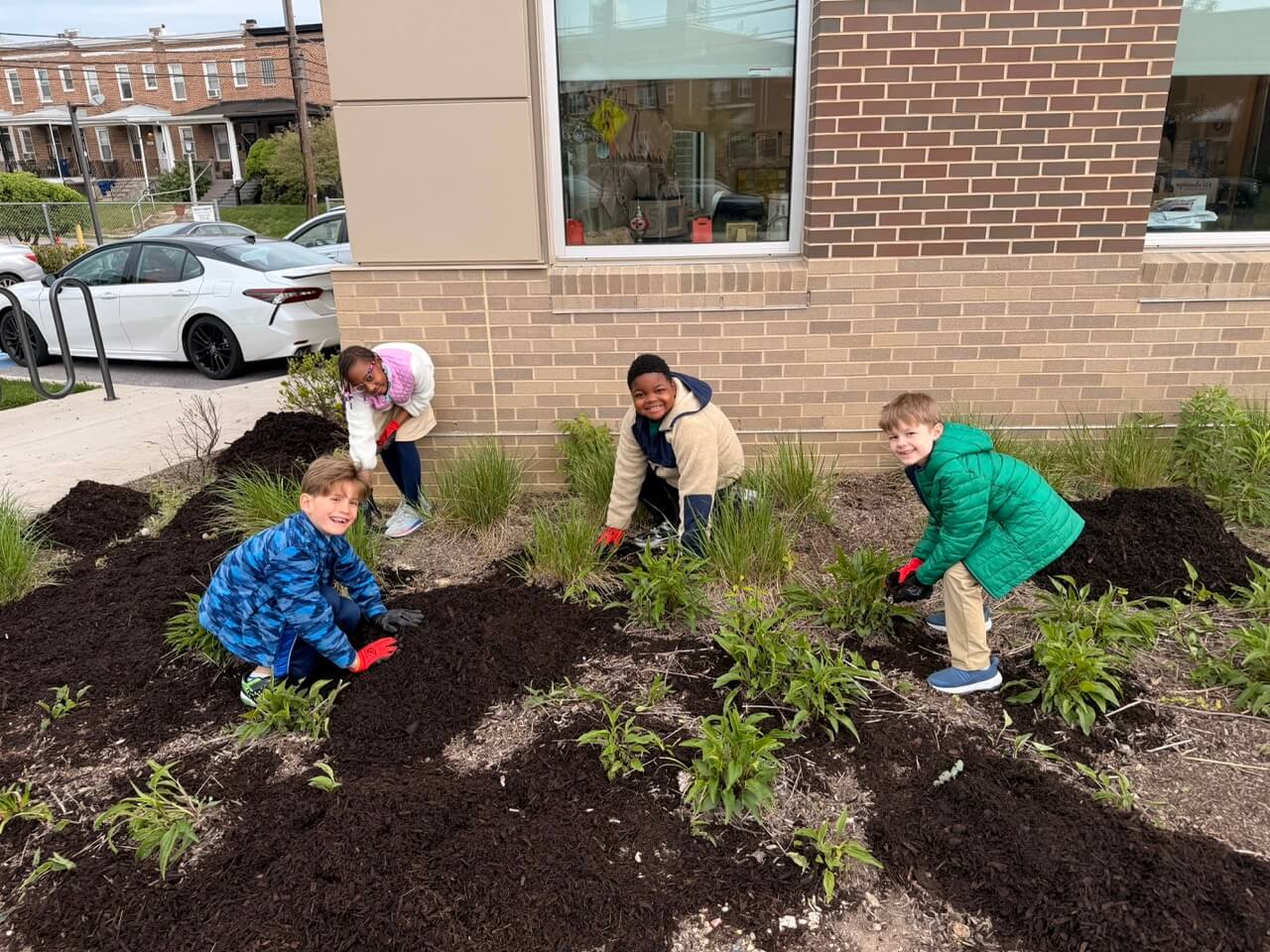
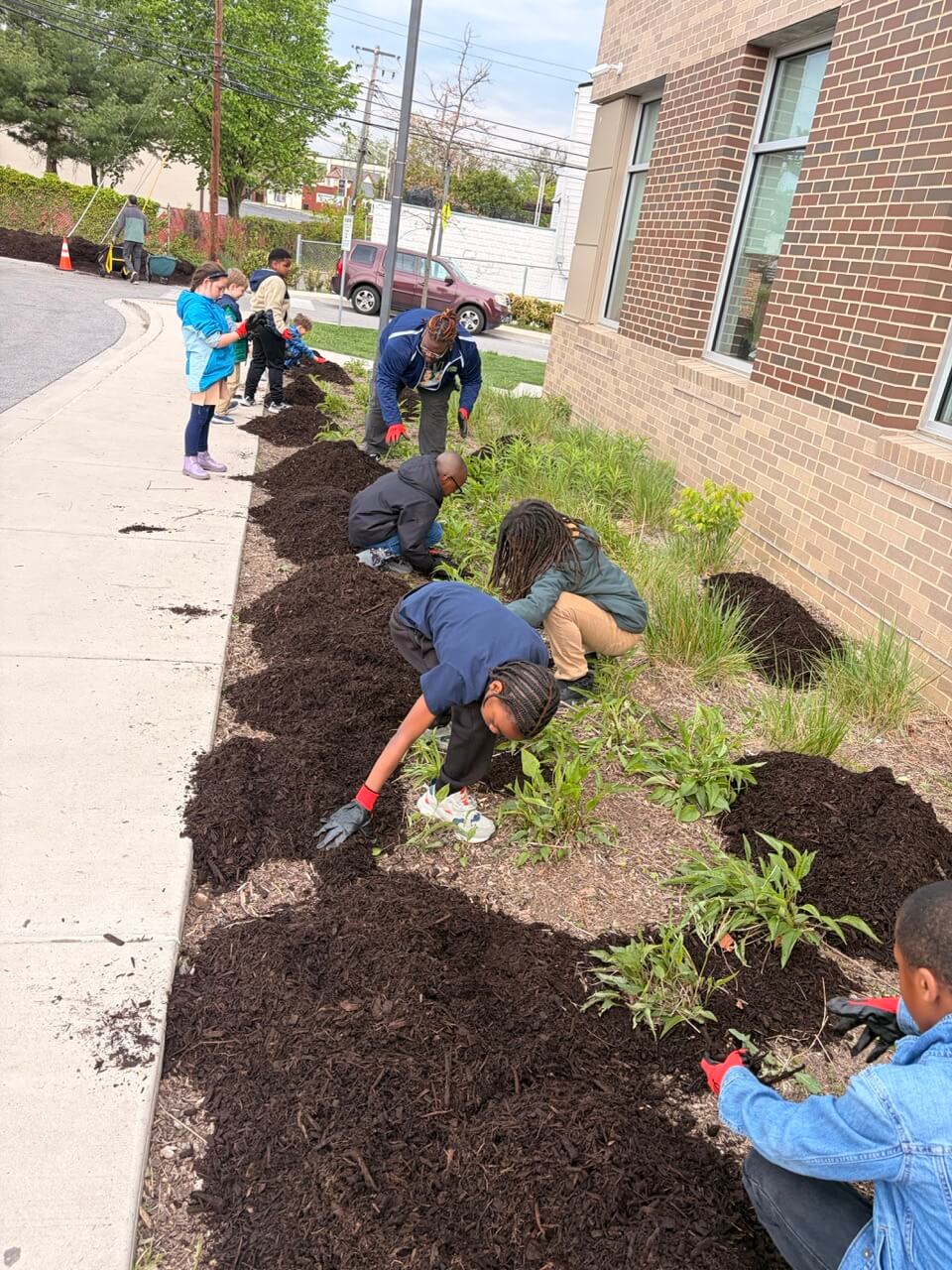
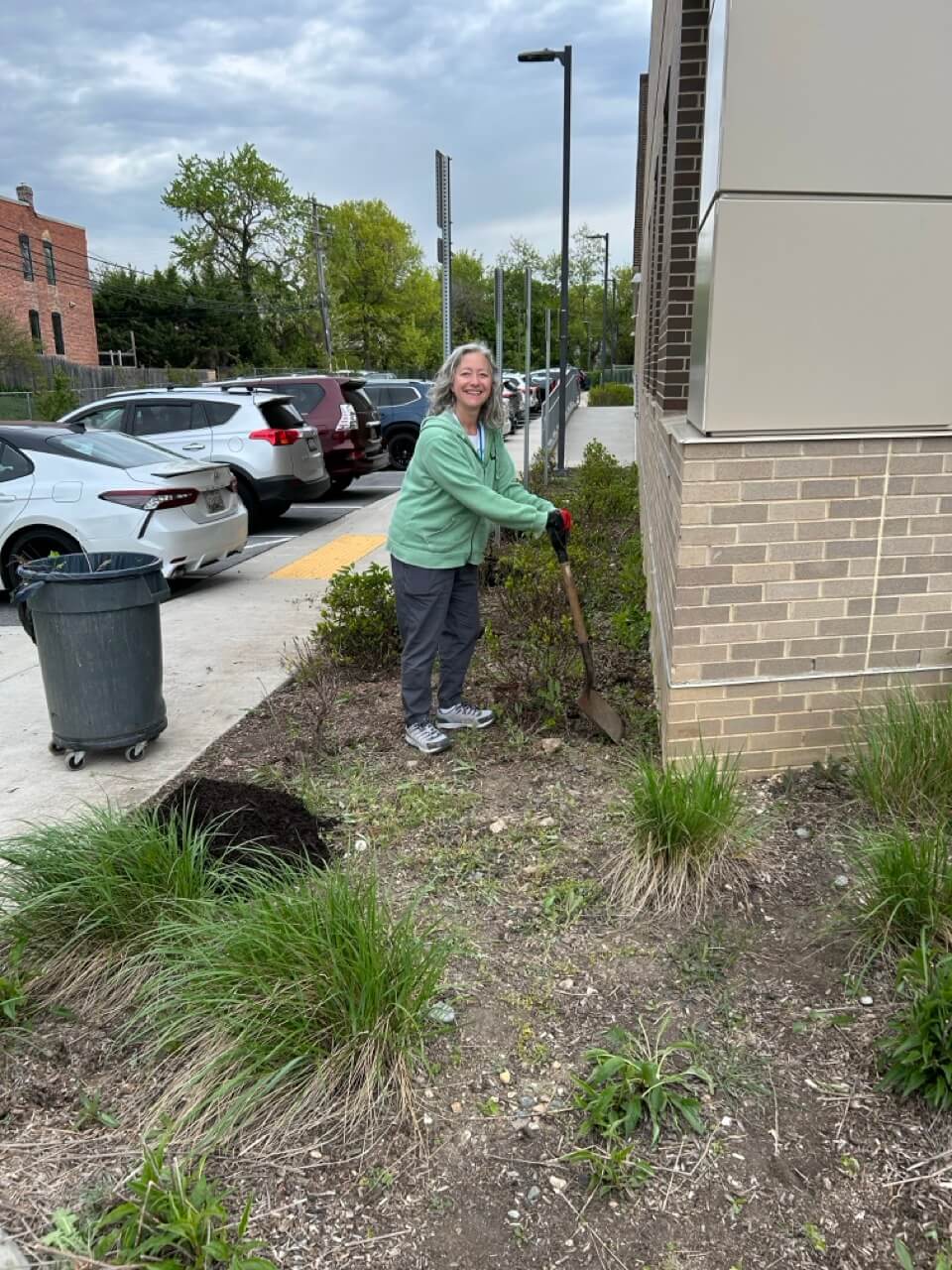
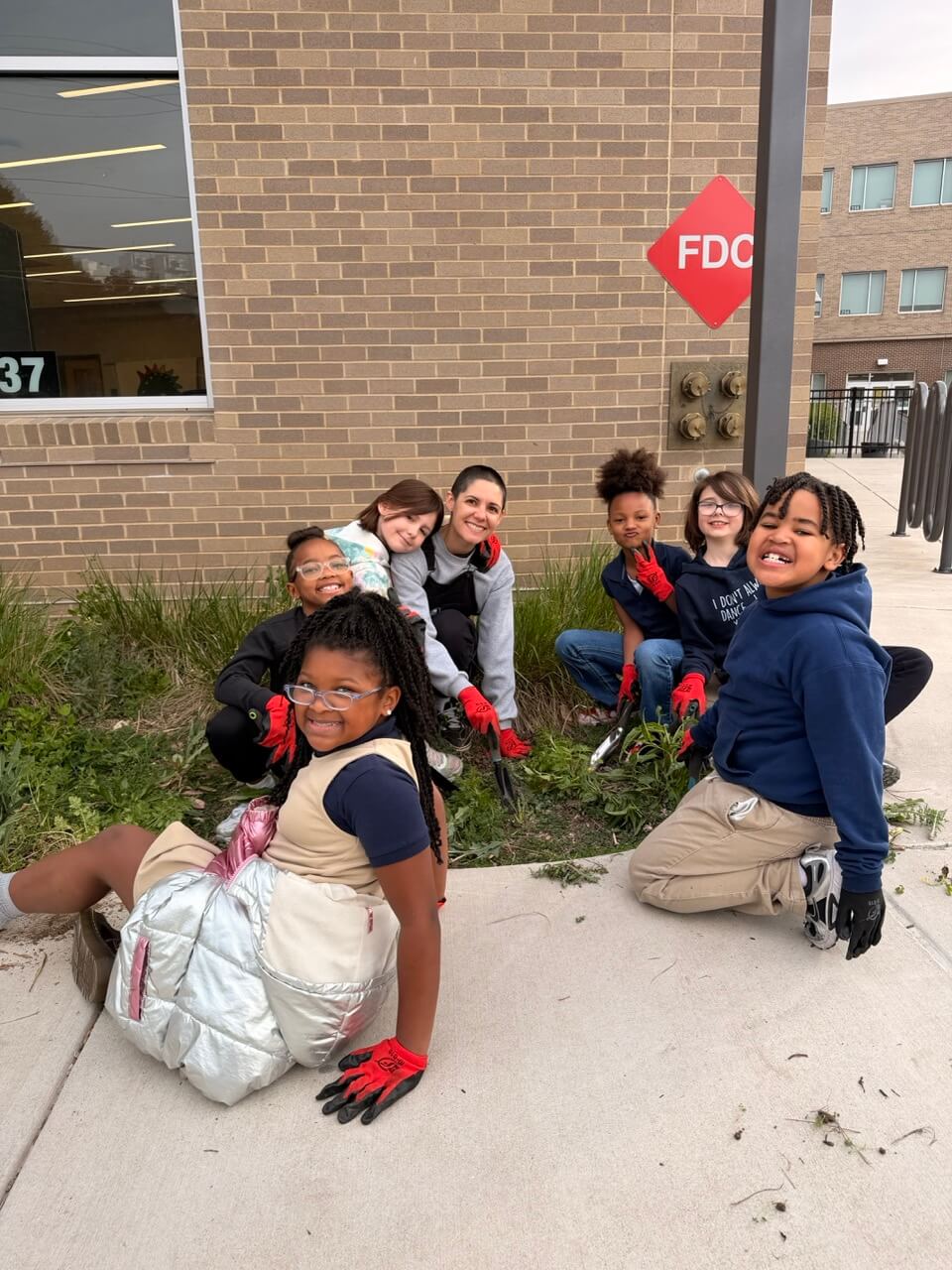
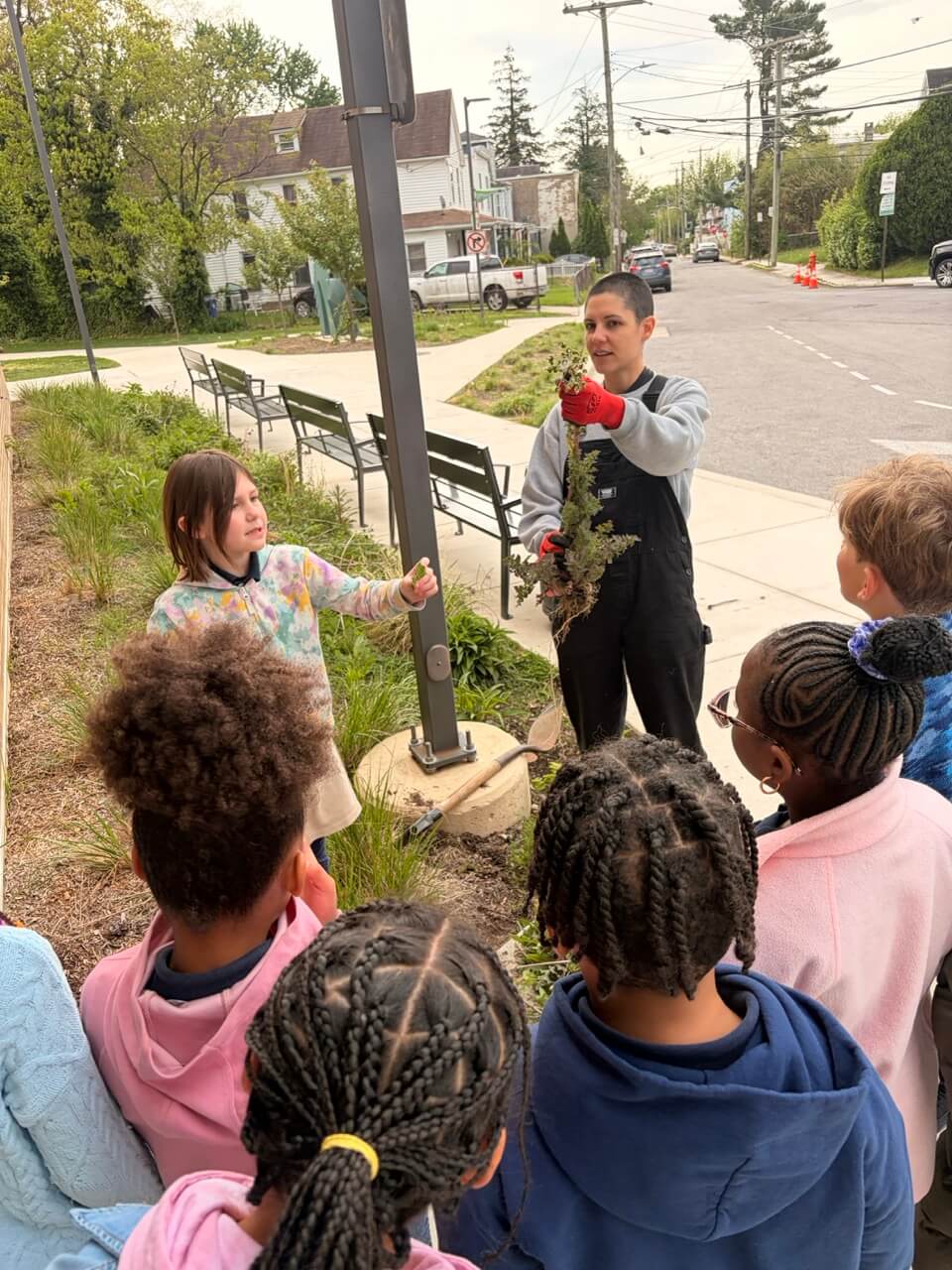
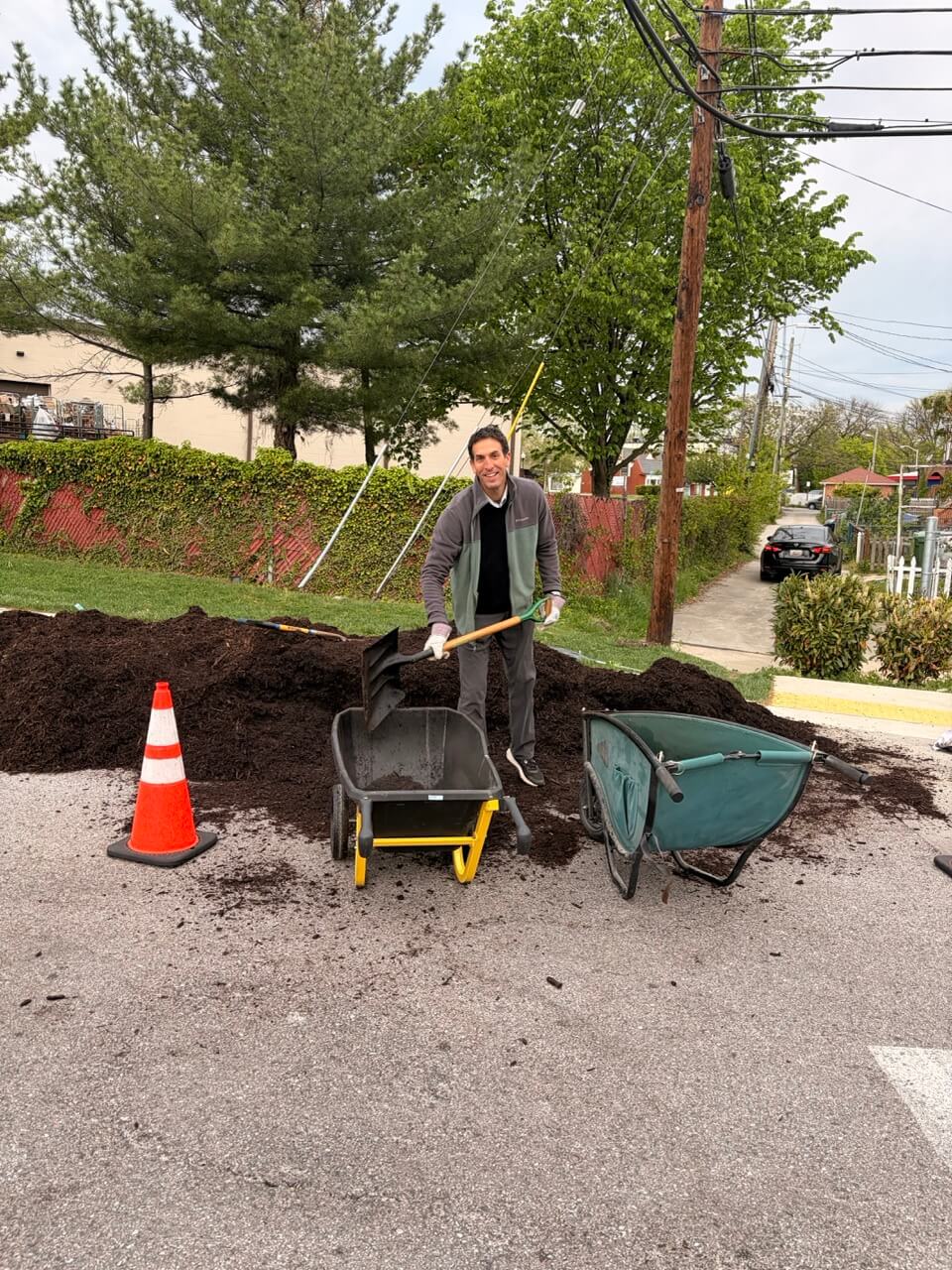
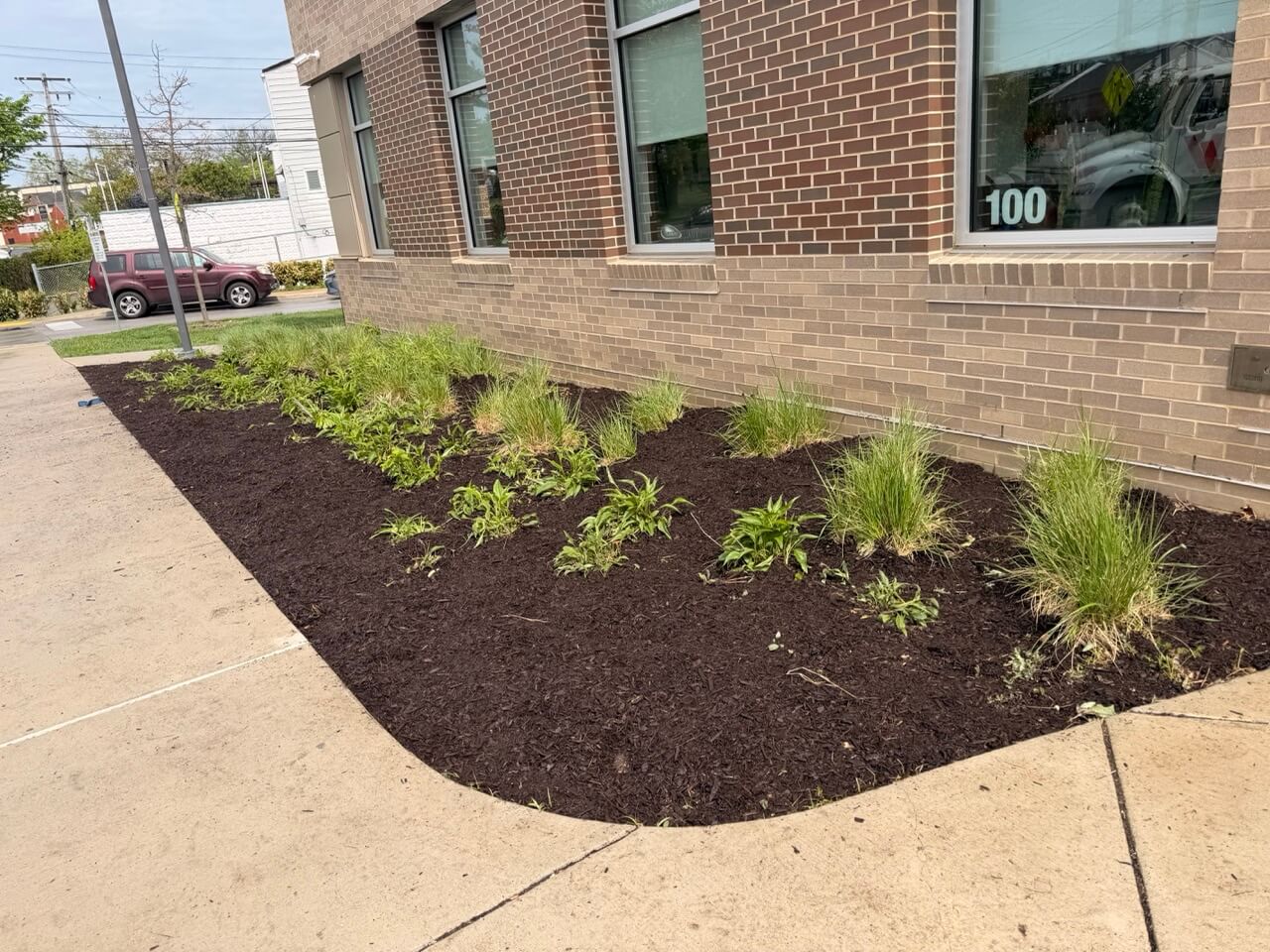
Marigold Planting:
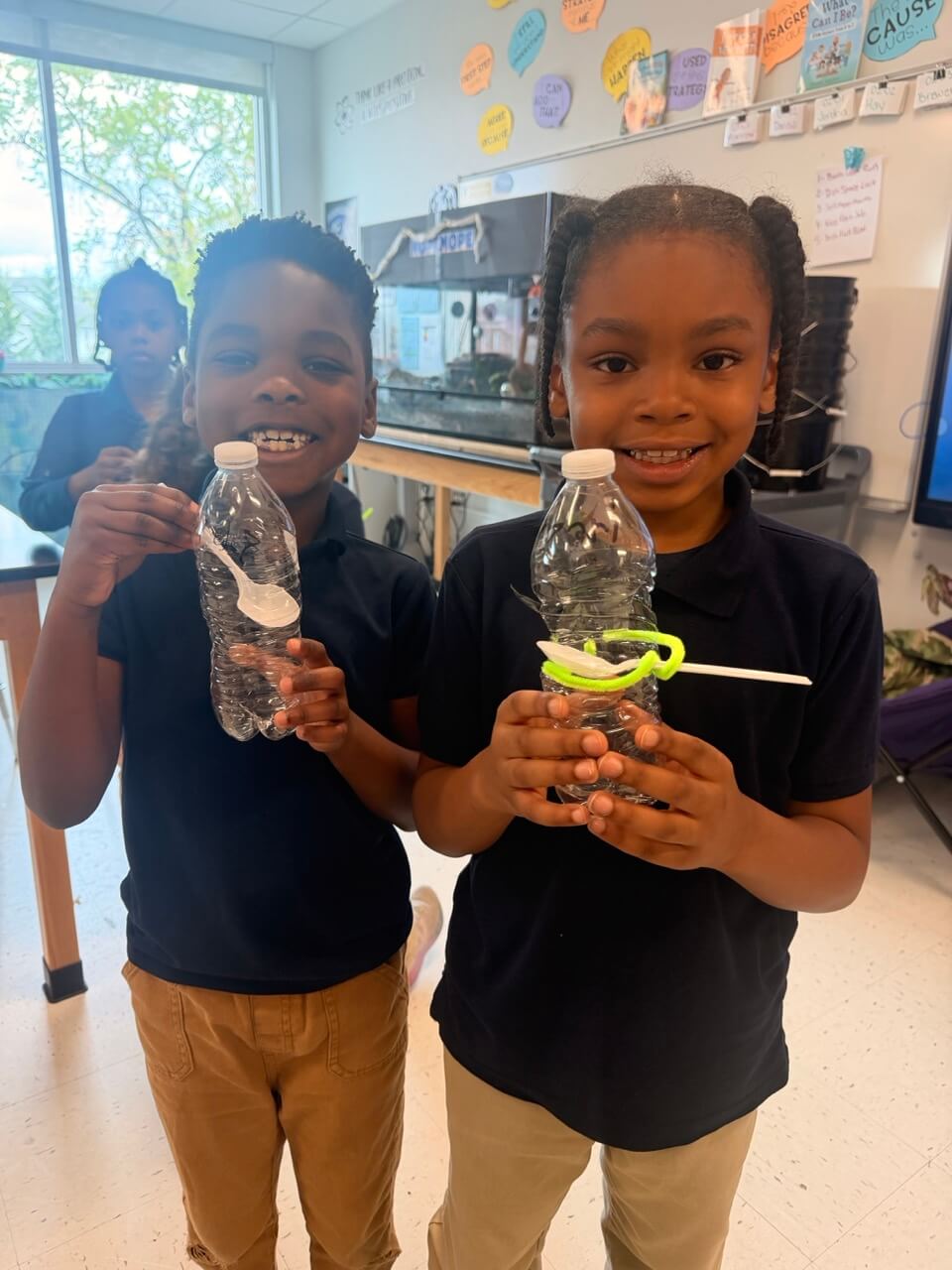
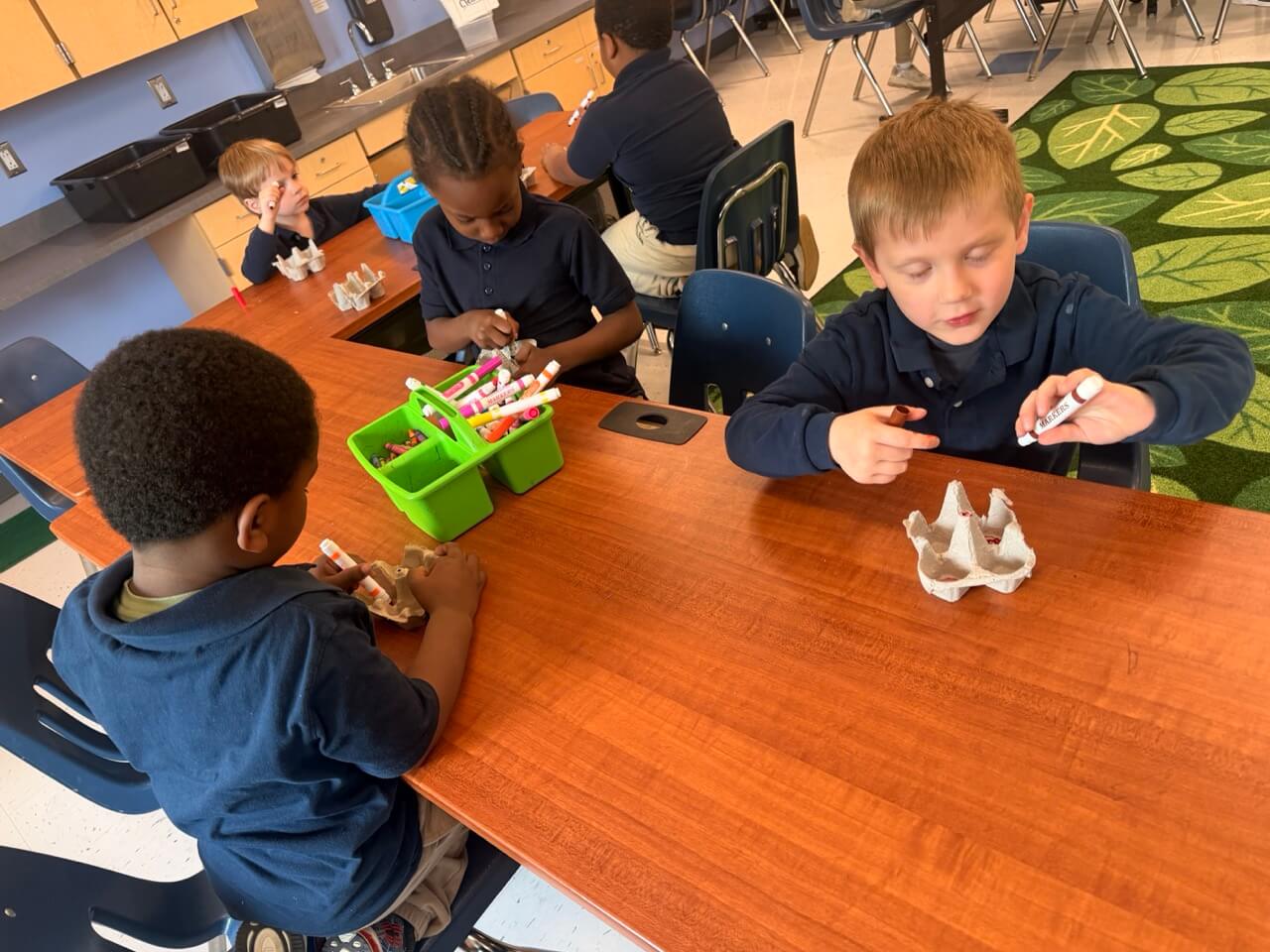
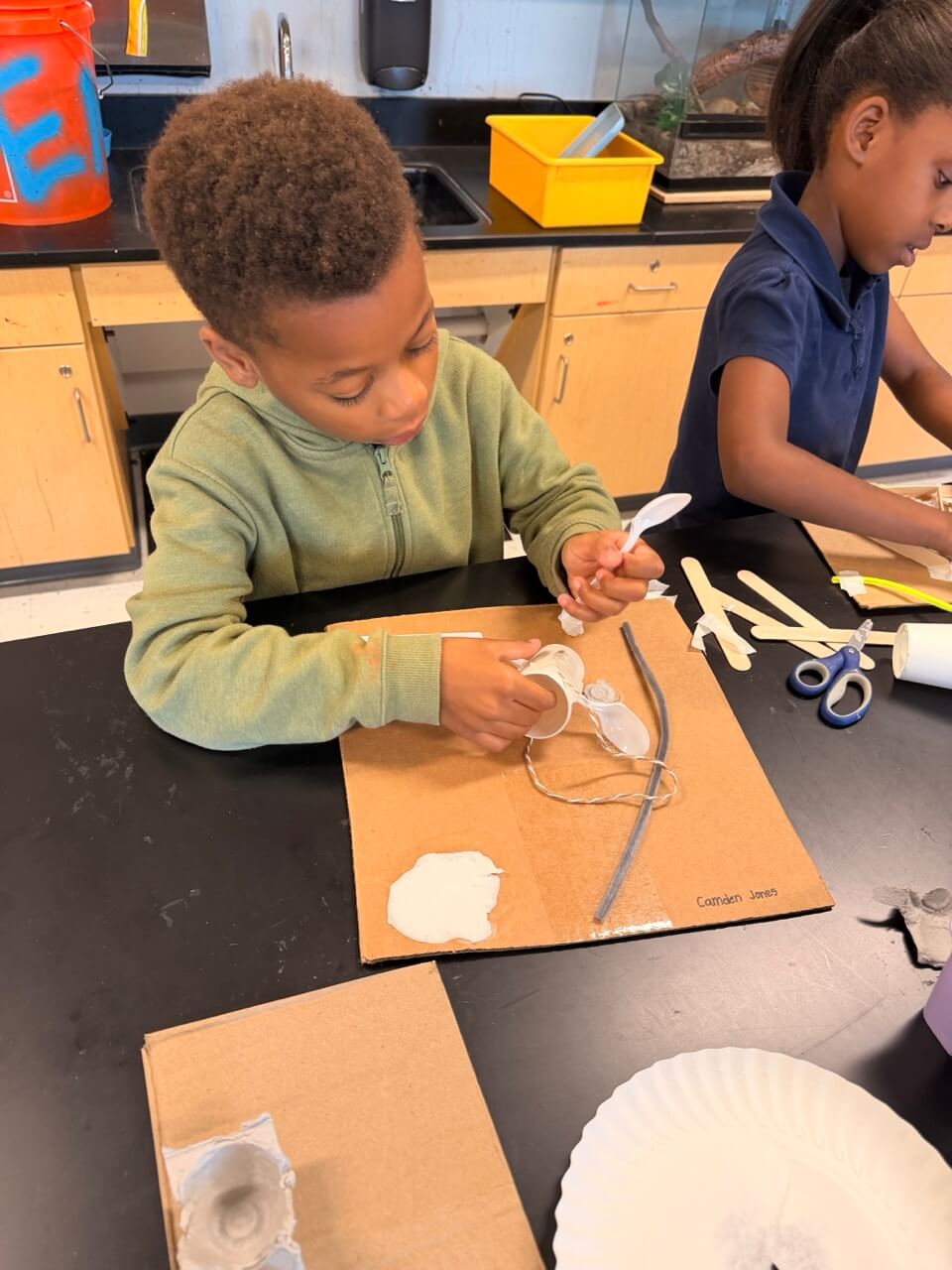
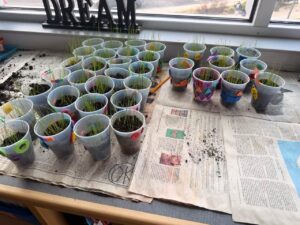 Students in Ms. Walsh-Little’s Library classes this week planted marigolds for Mother’s Day and Earth Day. They also made “grass heads” and planted grass in cups.
Wildflower Seed Bombs:
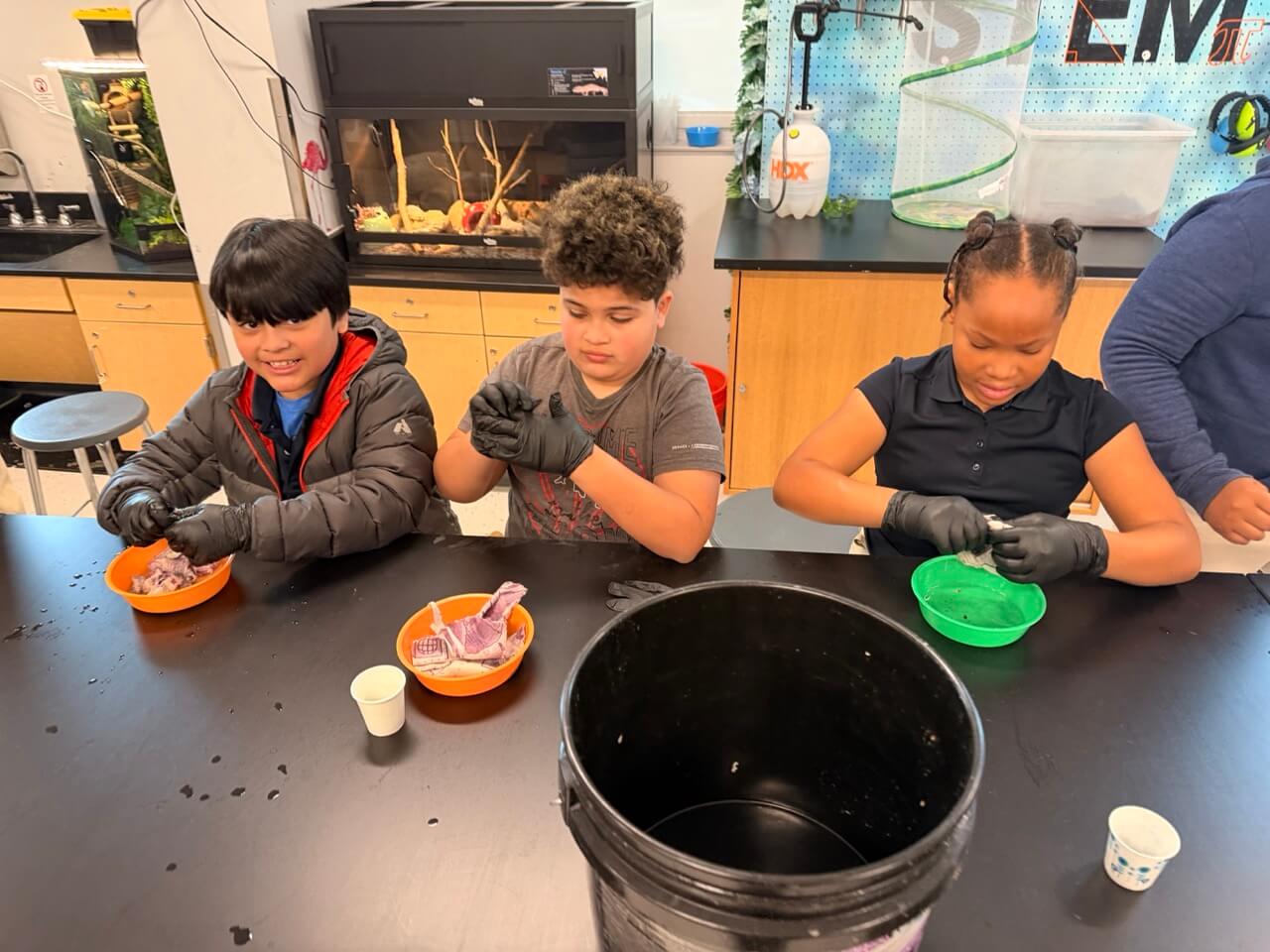
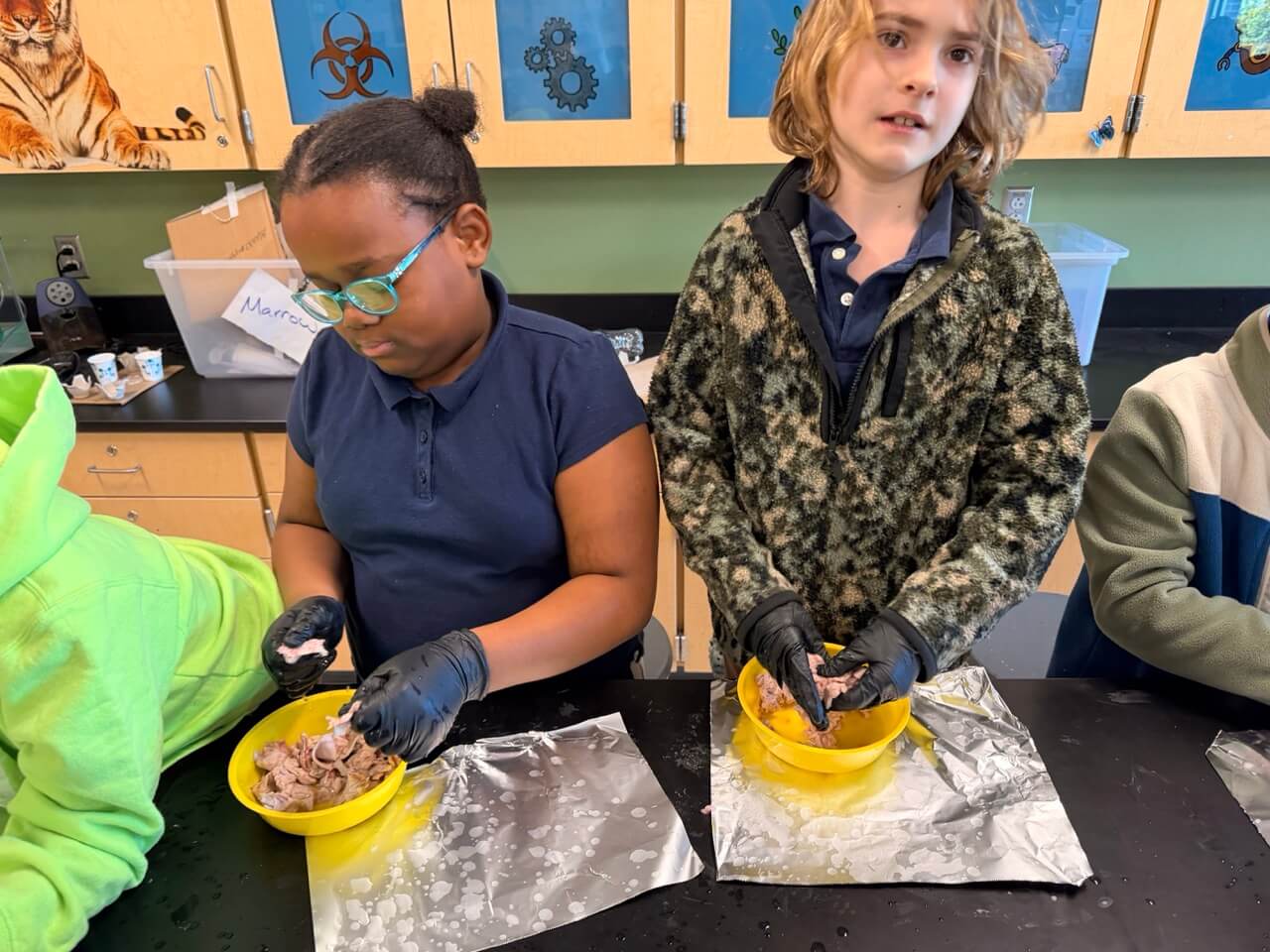
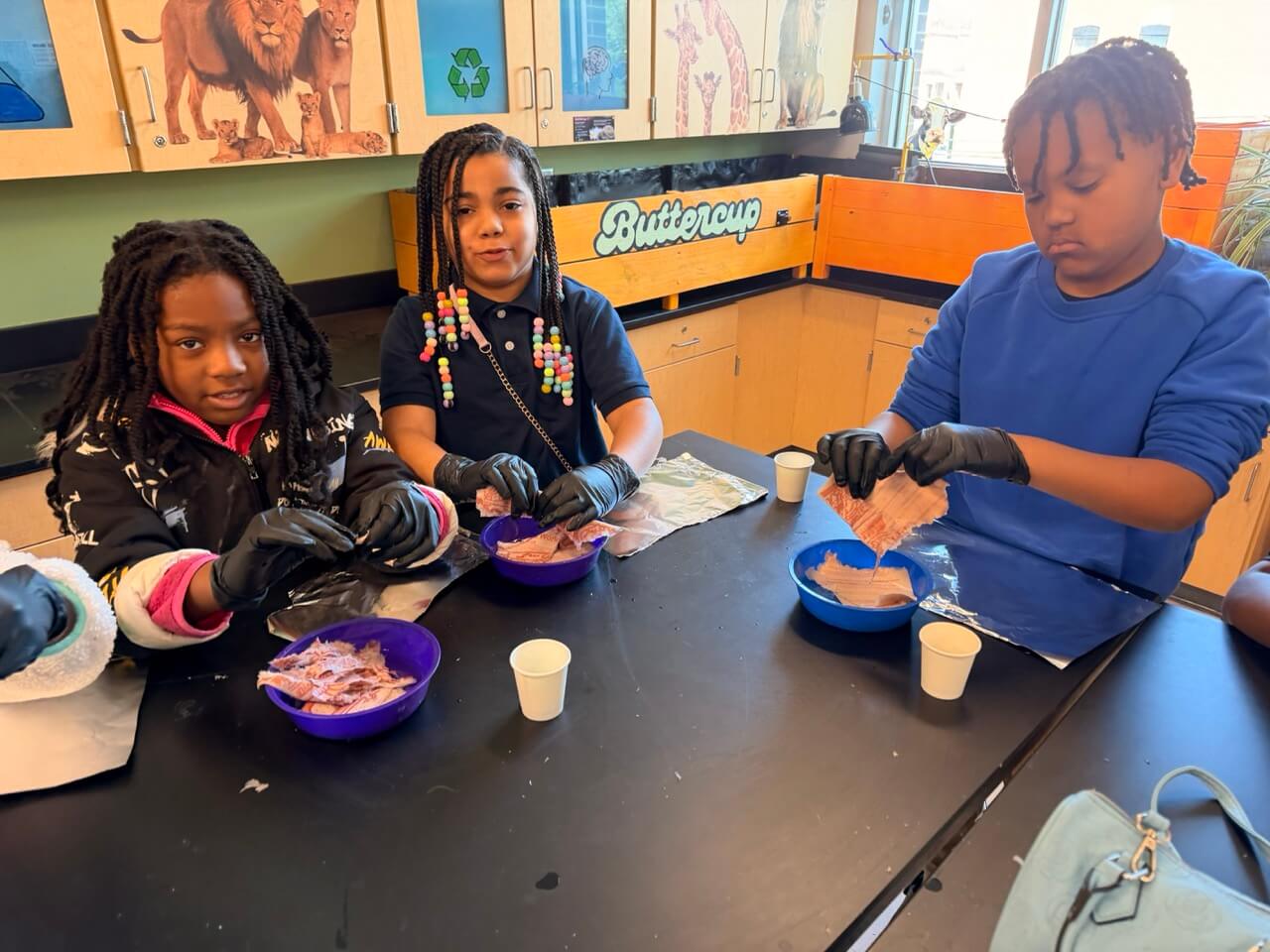
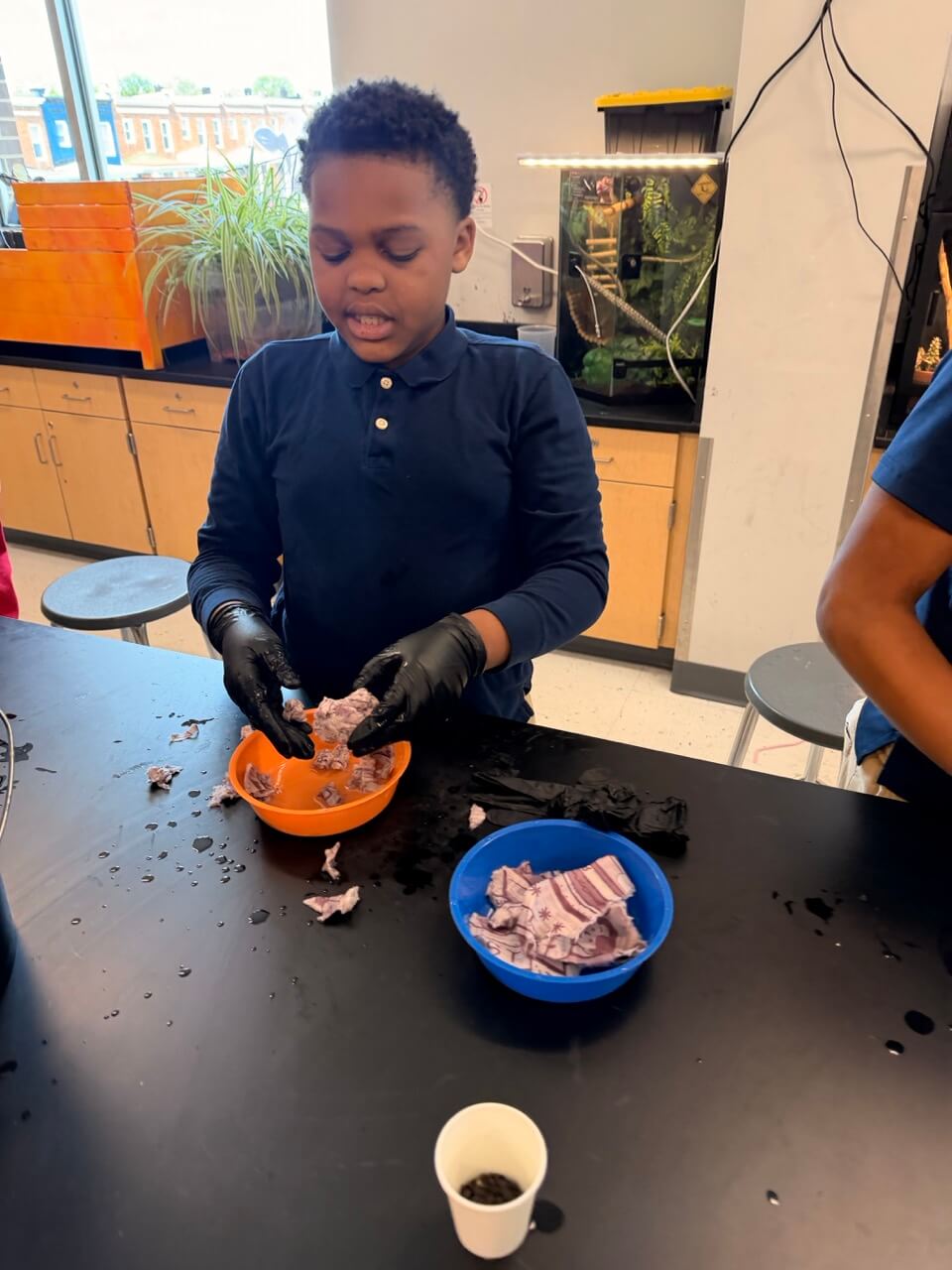
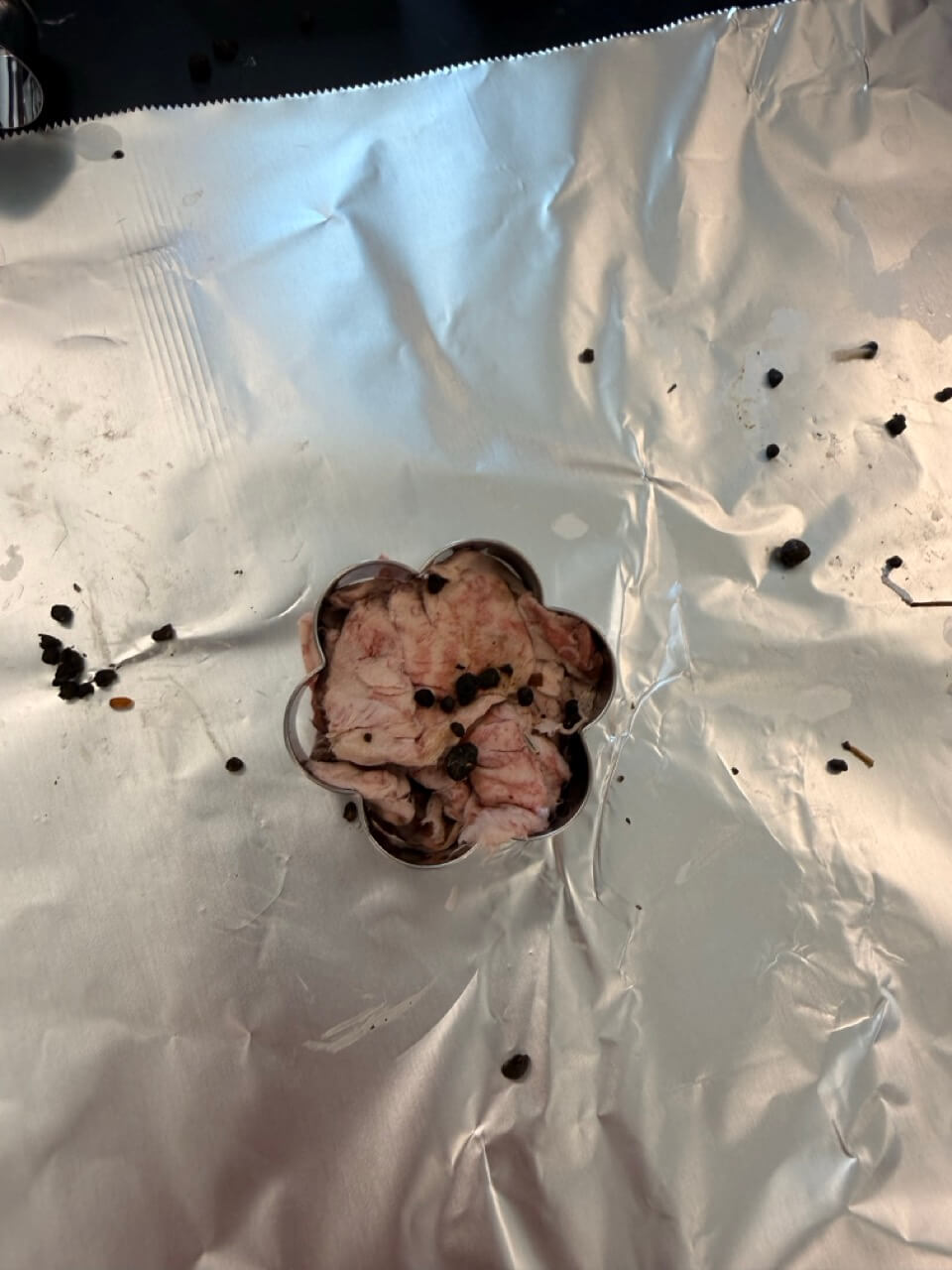
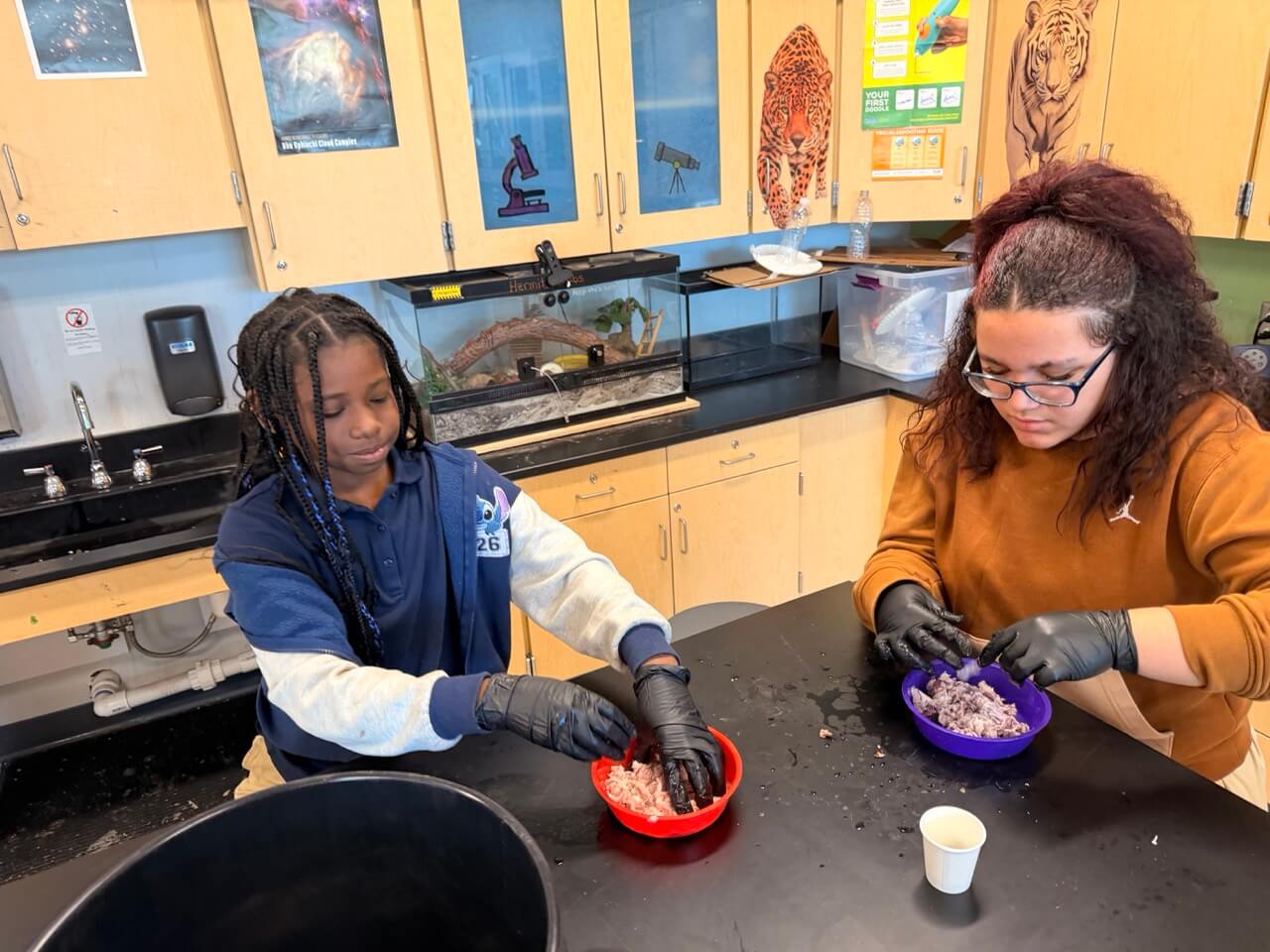
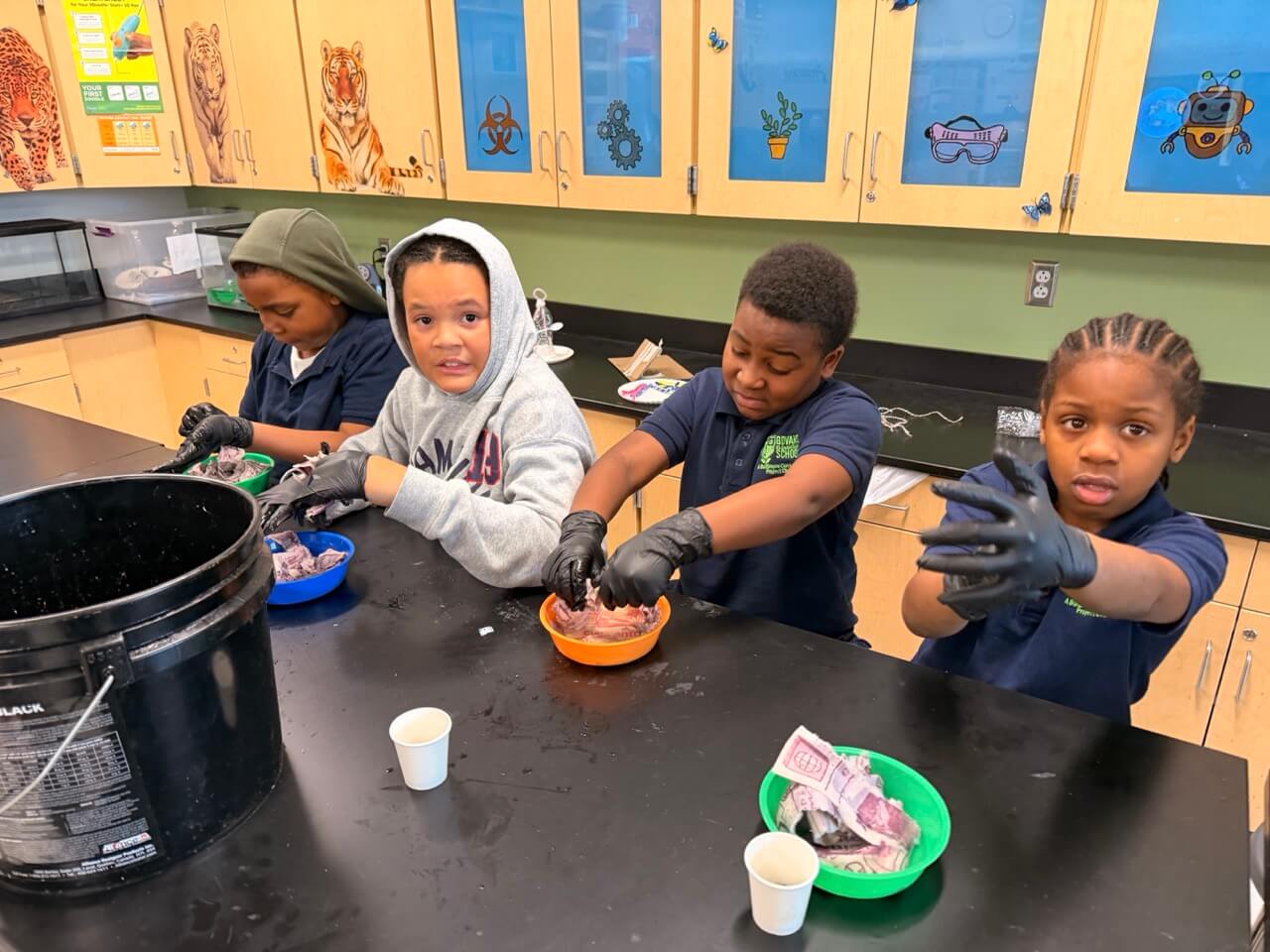
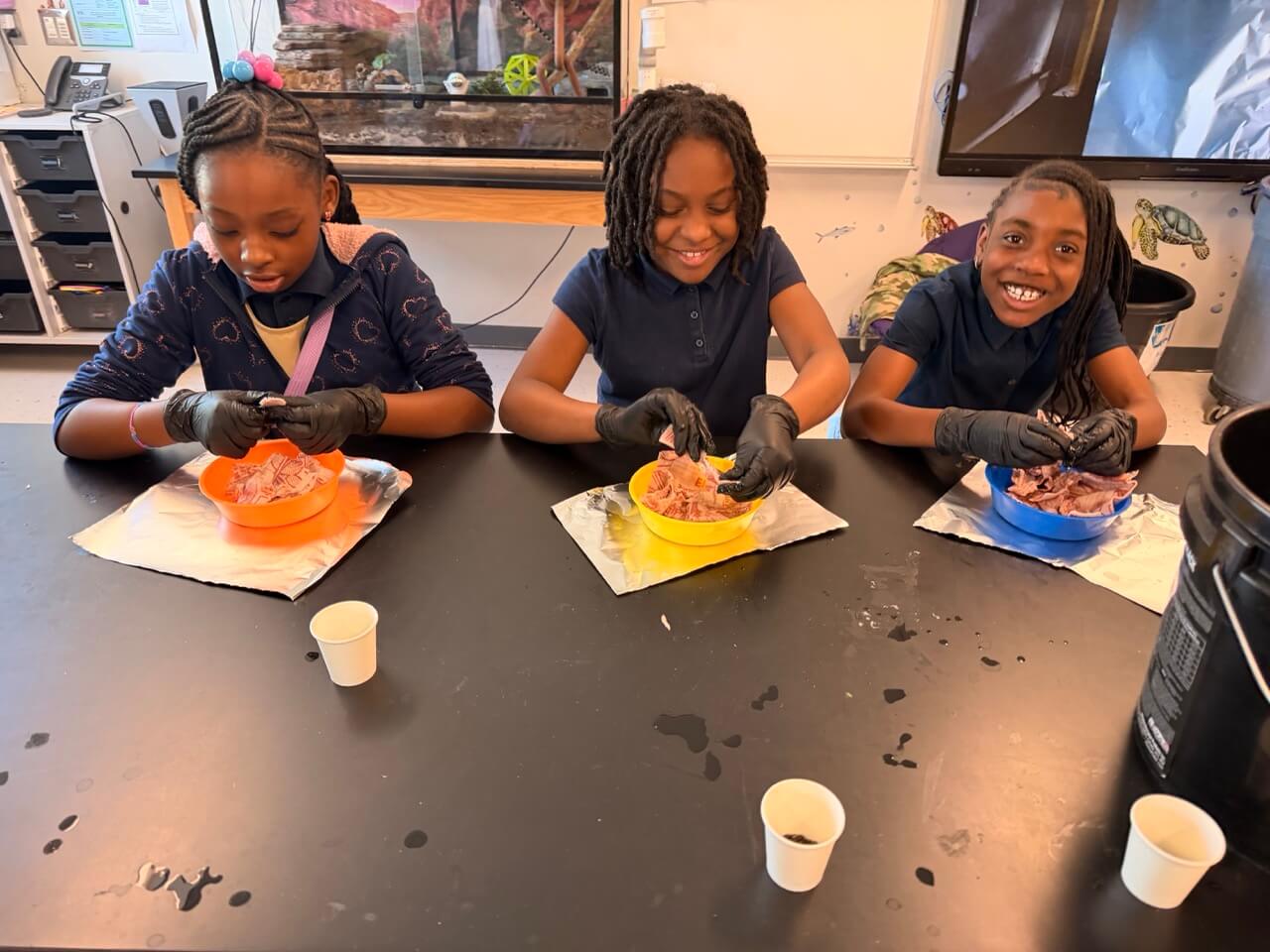
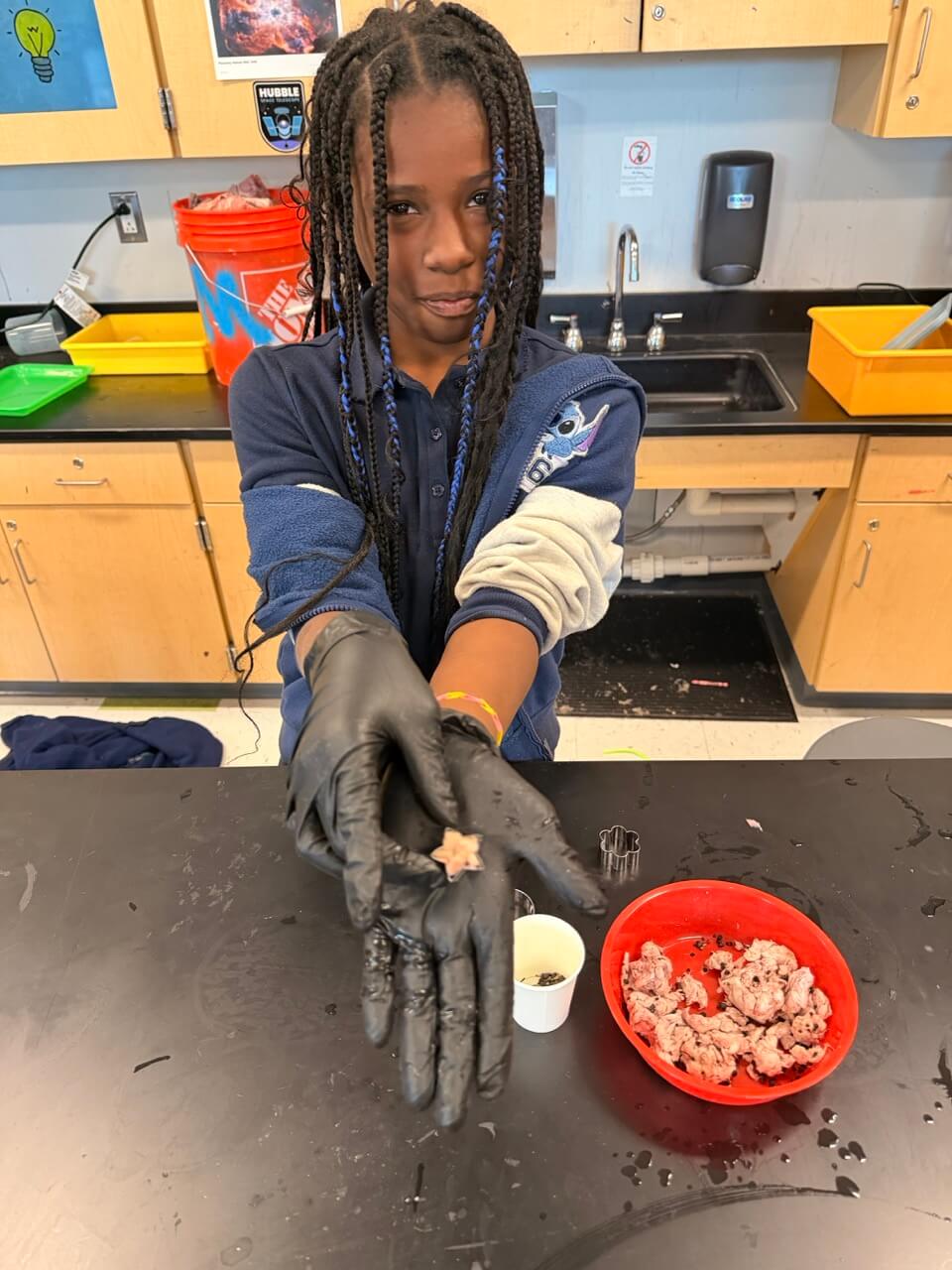
Students in 3rd-5th grades created native wildflower seed bombs to distribute around the Govans neighborhood to grow wildflowers. The school Green Team collected paper from recycling to be used in making the seed bombs, and the 5th grade also earned service learning hours for their projects.
This fun activity had very important roots in helping the planet to:
- Support Pollinators and Wildlife by providing essential nectar, pollen, and habitat for bees, butterflies, moths, and birds, which are vital for plant reproduction.
- Boost Biodiversity by hosting a healthy patch of numerous species of plants, insects, and small animals, providing food and shelter, particularly in the winter when seeds are critical.
- Lower Maintenance and Increase Resilience Against Pests/Diseases since native wildflowers adapt to local climates and soils, meaning they generally require less water, no fertilizer, and are more resilient to local pests and diseases.
- Improve Soil and Water Health by preventing soil erosion with deep, complex root systems, stabilize soil, and help filter pollutants to improve water quality.
- Benefit Pollination and Pest Control by increasing the success of surrounding vegetable gardens by attracting pollinators and beneficial insects like ladybugs, which eat pests like aphids.
Improve the Environment by helping to sequester carbon and removing pollutants from the air.